CIVIC BUILDERS




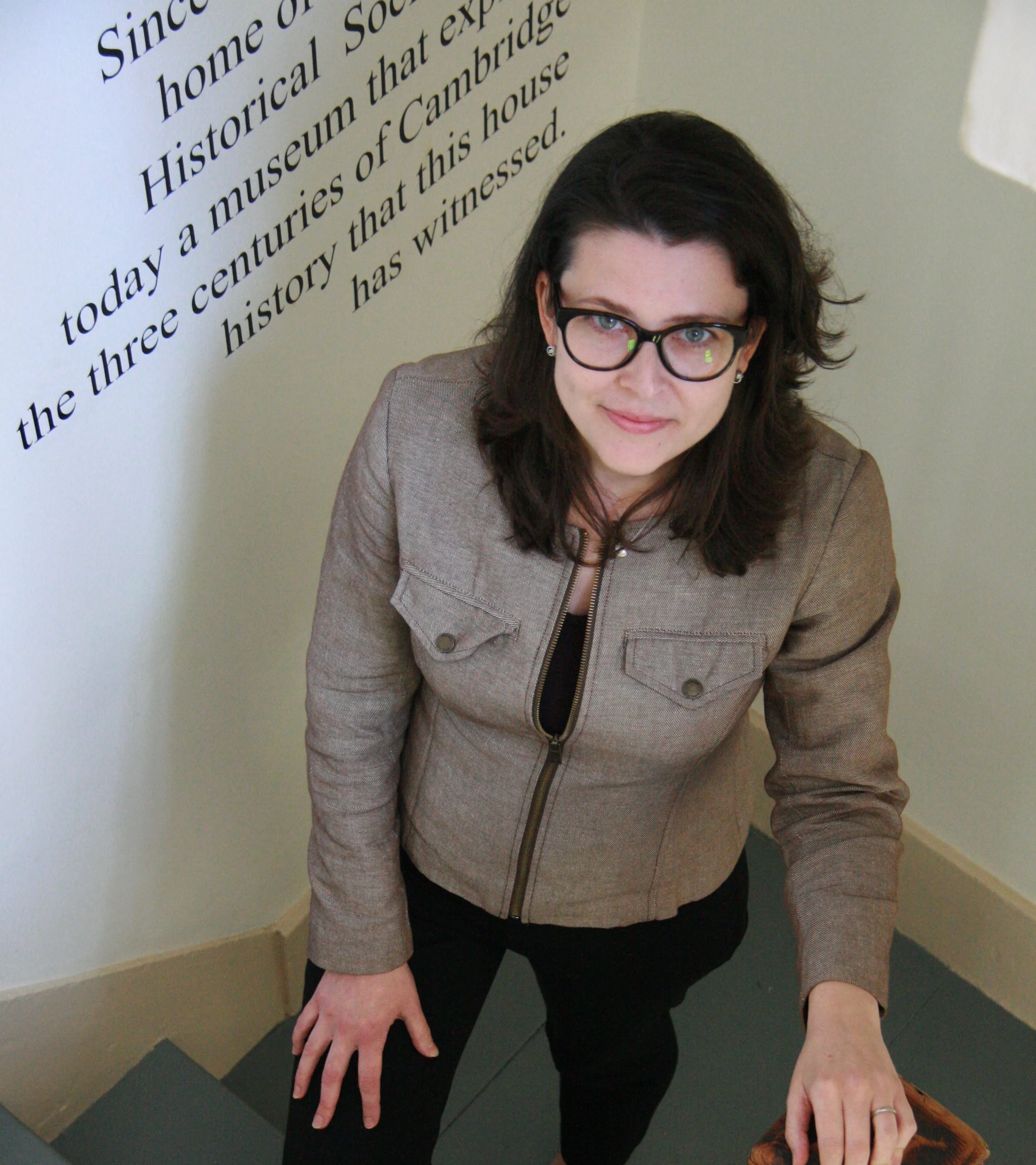
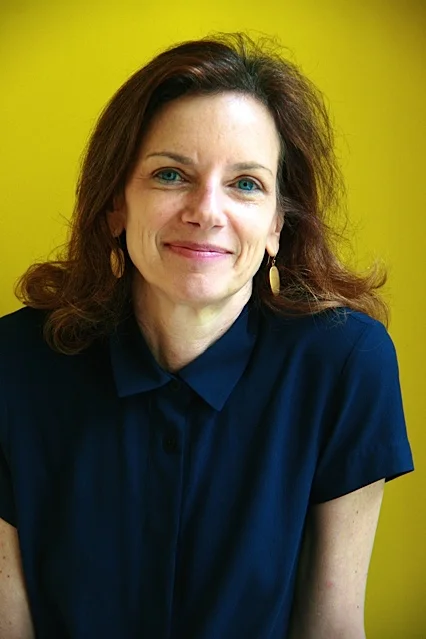
As we spent time scouring the city for GenX voices bringing us emerging ideas, Marieke Van Damme’s name kept popping up as a change maker. The irony is that she is the Director of a the Cambridge Historical Society, headquartered on fabled Brattle Street, but a few houses away from the poet Henry Longfellow’s house where our first President, George Washington, camped out during the revolution.
The Hooper-Lee-Nichols House, under her stewardship, where we met for this interview, is a place one might think would be draped in old Cambridge. For her, historic homes are only the launch pad. Van Damme is stirring things up by bringing this vintage society into modernity with annual themes that have sparked conversations around the housing crisis, the changing face and development in Harvard Square, and the emergence of Kendall as the poster child for change, all with a historical context of what it means for city-building and culture. She understands the power of competing for dollars and attention in a digital world, and we discuss new models of funding that will be required to give cities the pillars we have long understood create vibrancy and civil connection.


Ron Sullivan Jr. is important as our 100th because of his deep understanding of the US judicial system at this moment in time when the third branch of our government has moved from its quiet confidence and roared its voice. Add to this, Sullivan Jr.’s work around US incarceration reform and civil rights. I had to be patient to have a chance to sit down with Sullivan and I am grateful to to bring you this interview. His ideas around bias and the destruction of our black and brown men's lives fold into his thinking for how we move forward from the past, how we work to think collectively as “We” in our nation. He says that what has played out in the past few weeks demonstrates that our democracy was built to survive one person. He also cautions that this requires everyone to participate, to be open to conversation regardless of our baggage. We all have it, he says, and I agree. I had ruminated a long while on who would be our 100th and I could not think of a more timely and thoughtful voice.

Puett offers context on similar transitions 2000 years ago when these astonishing teachings emerged. Confucius, Laozi, and Mencius all wrote at the same time that Socrates, Plato and Aristotle scripted their ideas. In his book, The Path, Puett and his co-author Gross-Loh explain why this philosophical revolution came into play.
I sat down with Professor Puett to discuss how we can use these ancient Chinese teachings today and the danger of human patterns.


One of my personal mantras is that you can't let fear lead or let fear dictate your actions.
I also truly, truly believe that the public events that a society puts on are a reflection of the society and if we don't put on a public event that's around books and ideas those will lose importance in our culture.

In philosophy every one of these moments is a little sliver that opens up a whole new world, and the world that it opens up now looks inexhaustible and delightful in an infinite number of ways.

I think we all would like to leave this place a better place than how we found it whether through our families, community or work.


When a kid’s primary "reading device" has both War and Peace on it and social networking and email and gaming and TV and video and the Internet, we lose... there's so much temptation and so much to distract us.
Most business people are transaction driven and not relationship driven. I am all about the relationships.
The relationship between the advancements in technology and architecture are really producing a very significant transformation in the types of buildings that we can imagine and therefore the spaces that we end up inhabiting.