SCIENCE



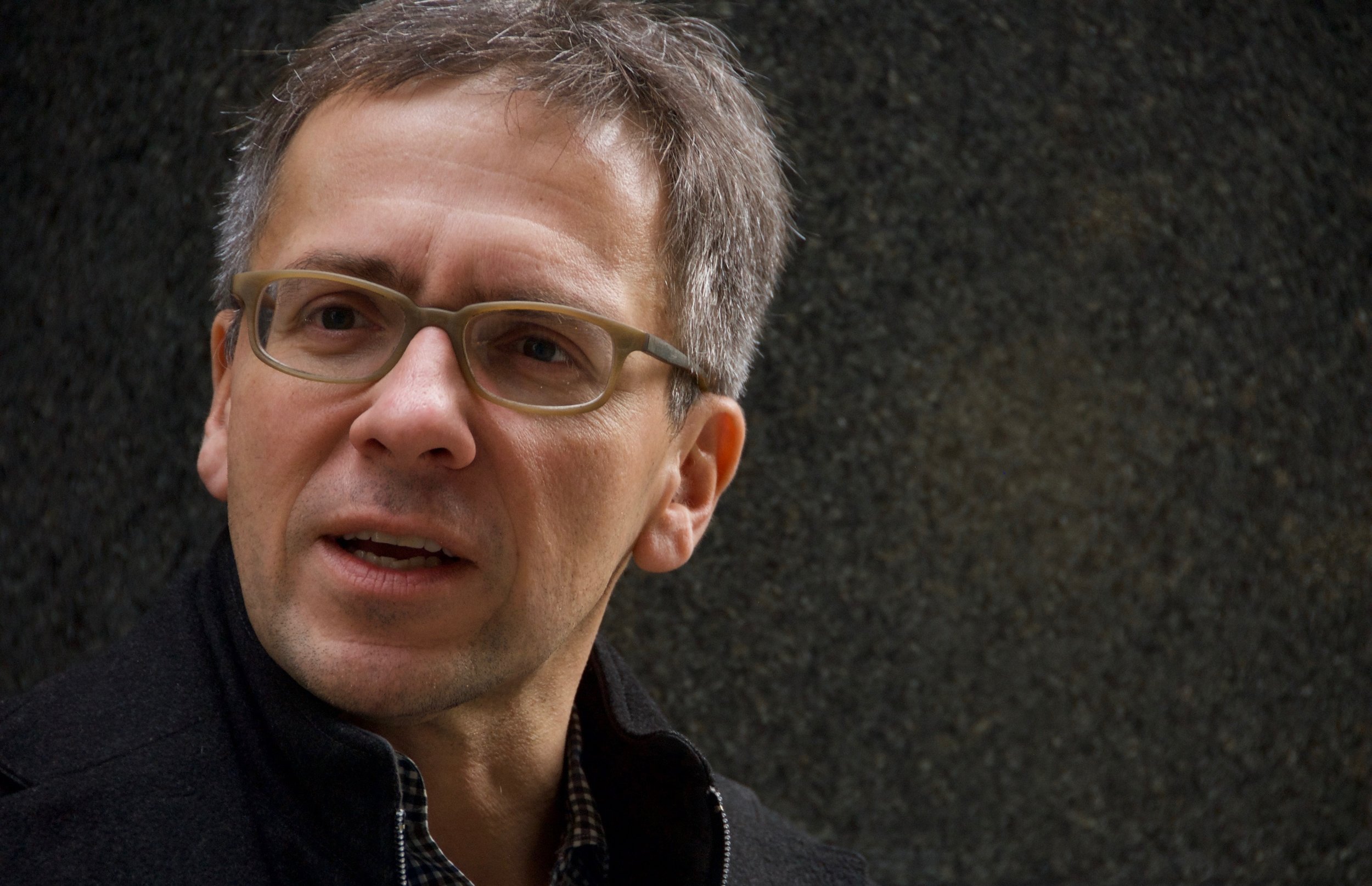
Ian Bremmer founded Eurasia Group in 1998 when he discovered that the private sector didn’t normally hire political scientists. He now has offices in New York City, Washington, D.C., Stamford, CT, London, Tokyo, São Paulo, and San Francisco, with more than 150 full-time employees consulting to world leaders and major corporations. But for Bremmer, who regularly appears on Charlie Rose and speaks to world leaders around the globe, these accomplishments seem ornamental, secondary to a mission built around fact-based discussions on what is happening geo-politically and how America, with all its world privilege, has choice on how to use its powers. His Twitter feed is as frank as they get.

Entrepreneurs are often said to be soothsayers and in 2002, David Ting founded Imprivata, a healthcare IT security company focused on keeping medical files private and locked online, allowing doctor’s offices and hospital physicians to more easily sign in to secure networks, whether text messaging platforms, electronic medical records, or prescribing databases. In June 2014, a decade later, Ting took his Lexington-based startup public, raising $66.3 million through its IPO. This July, Imprivata announced they were being taken private again, having been acquired by private equity firm Thoma Bravo in a deal valued at about $544 million.

On Drones: I think that we're all going to take for granted that things are flying around looking at things all the time.
Eventually, Galileo was completely accepted by the same religion that rejected him. And in science we often reject things until we can prove they are right. Until then, there's more heat than light.
We're in the process of getting our second generation of interferometer detectors up and running and it is a difficult process. It's not like buying an iPhone 6 and turning it on and it works.

The fundamental problem is that we're trying to translate between three worlds: the world of information: bits; the world of knowledge: neurons and cells; and the world of visualization: pixels. Until we all are cyborgs and can plug in this data and automatically get what we need, we will need pixels.
At the end of the day what we do that's different from other people is that we can see more.

I probably worry about naturally emerging infectious diseases more than I worry about engineered threats. Mostly, I worry about how are we going to get the medicine that we need when we need it.

In this culture we are conditioned to always be ‘doing;’ that actually restricts our flexibility and power. When you are acting in order to suppress a feeling, you're not really thinking about what you're doing anymore.

You have to step back with cancer and think through 'what are the fundamental tasks that must be accomplished by a cell to become cancerous?'

It’s so easy to make a house be zero net energy, to the point you can heat your house with a hair dryer.