MEDIA

For the past seven years, independent documentary filmmaker Elizabeth O'Brien Gardner has been filming a young evangelical church planter, David, and his wife, Betsy, in Boston – a city Gardner says the evangelical movement calls ‘The Preacher’s Graveyard.’ Her 72-minute documentary, The Frozen Chosen, follows the journey of David and Betsy as they build a congregation of fellow millennials looking for salvation. We meet a young ballet dancer who struggles with his homosexuality and looks to the church for guidance, another young man who is a seeker of sorts, baptized by David and born-again in a dramatic scene of speaking in tongues and what looks like physical possession, and a cast of other millennials in search of community. Many of the youth live around the Fenway and Brighton areas and meet regularly. In a time when fundamentalist religion dominates our news cycle and the country seems more divided than ever, Gardner’s documentary takes a neutral look at how evangelicals are growing their following while asking us to consider how this differs or is similar to the dogma of other movements or building of dreams.

In the course of a morning, he talks about "The Gronk" being a party animal, how to tell your boyfriend to get a life, solves your concern over the office party drama and gets frank about how you deal with a spouse with an opioid addiction. All of this before I've had my second cup of caffeine. For over thirty years, Matt Siegel has been making Massachusetts residents laugh their way into their days. Sometimes criticized for being too harsh or too fresh, he tells us, Matty in the Morning reaches all people in a way our current mass media has not: Respect without politics.

Yes, investigative journalism is important and yes, narrative journalism is important, but people don't seem to put the money where their mouth is. Who's going to hold institutions accountable?


I'm very interested in the theme of how well we really know ourselves and what we may be capable of when pushed into an unimaginable, extreme situation.
It’s a very difficult thing to acknowledge our own privilege. It’s something that as parents we need to do before we can begin to explain it to our kids.

I try to take the extreme expressions of our time so we can see it and then think about it and discuss it. I think there's a value in having that kind of consciousness about the lives that we're living and the choices that we're making.
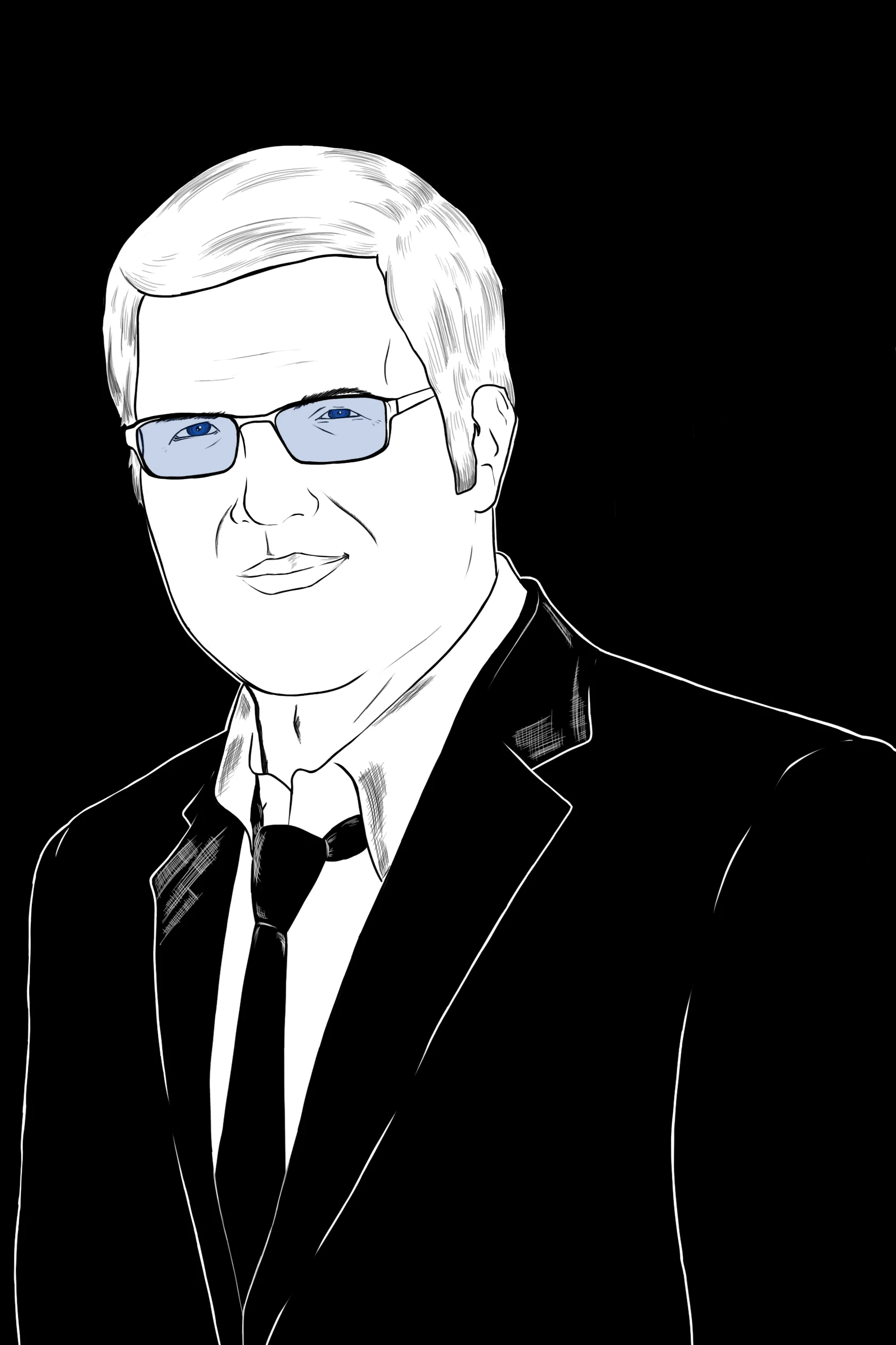
Traditional cultural authorities are fading….At the same time we can’t fetishize technology and say ‘to hell with our institutions’ without suffering terrible consequences…

Use your voice. I've wrecked a few dinner parties in my life by speaking out. You simply say, 'it's not okay with me that they treat their women like that.'

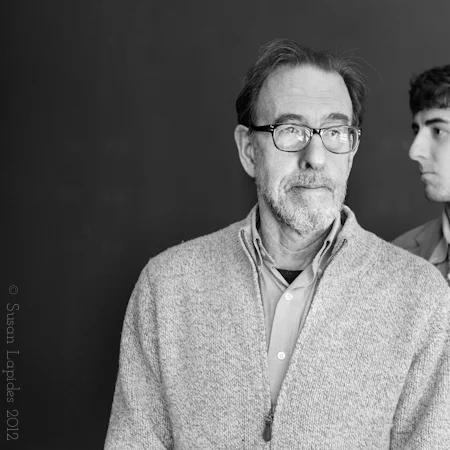
Ross McElwee, American filmmaker and Harvard Professor who teaches documentary filmmaking at the Carpenter Center directs his new film Photographic Memory with Producer Marie-Emmanuelle Hartness. He has made nine feature-length documentaries as well as many short films.

I found myself longing for a time where tribal leaders and elders passed on wisdom but with the democracy of free speech and mobility for all. I also live in a place where education is revered at almost a devout level. Why shouldn't everyone have access to these same ideas I hear about?
Julian Fellowes created the world of Downton Abbey and twenty major characters and their storylines. He was ready to tell this story. He knew the world. He loved the world and that's when you can have magic: when you have a creative person who finds their subject. Listen here