
ART



Jess Shattuck’s much-anticipated third novel, The Women in the Castle, revolves around the lives of three wives of resistors in Nazi Germany during World War II. Shattuck, best known for her novels The Hazards of Good Breeding and The Perfect Life, grew up in Cambridge with a German-born mother who had immigrated to America, shunning her nation and her own parents’ dark past as Nazi sympathizers. Memories of her mother’s shame have stayed with Shattuck long after her mother’s sudden death left many of her questions unanswered when Shattuck was a teenager. It has taken her seven years to research and write this novel, with years spent traveling to Germany and combing through material to research this historical piece of fiction in which she explores the normalization of fascism in a society, and the moral fiber it takes to stand up to it and hold on to what is humane and true.


In his first short, Dave Cripton interviews Rico Gatson, A NYC visual artist based in Brooklyn. Even though Gatson uses painting, video, sculpture and installation, he prefers not to be defined by any single medium, even though he uses many and thinks of himself as an object maker. He produces work in which racial commentary is readily apparent while conveying notions of historical uncertainty via mixed symbols and open-ended statements.

For Neil, there is a real break between jewelry used by the aristocracy where the jewelry was handed down, and glamour. For him, that aristocratic jewelry was all about wealth and power and with those glamour jewels, it's all about this performance quality.
I have failed so many times. Scripts that didn't sell. Readings that bombed. Pilots that weren't picked up. Jobs I didn't get. I definitely mope and feel awful about myself after these rejections, but I move on.

What is Urban Alienation?
The notion of a social foil is definitely what my public work is about. How do you make creative structure that allows people to interact with one another in a playful and creative way?

For me, the photographic process is a process of redemption – not just for me but also for many of the people that I photograph. I’m always striving to look at things, even the difficult things, the uncomfortable things.

There's a lot of interest today in the importance of sensorial delivery, particularly scent, but also taste and touch to our health. Not having those experiences in our digital existence, whether we want that digital existence or not, is hurting us and that's becoming clear in lots of different ways. Listen here

There were maybe a thousand businessmen murdered in the '90s in Russia. These guys built their wealth, and essentially built Putin along the way. It was one of those things from which you can't turn away. Listen here

It's very important to keep commissioning choreographers and new work because one might not just open a window – but a gate like Balanchine did.

There has been much to celebrate as one-by-one local, students and patrons from afar return to their beloved Fogg to see the transformation by virtuoso architect Renzo Piano who has left his imprint of steel, glass, timeless lines and light.

If the urban is about diversity, how can we keep talking about the city in the singular? Maybe there's another way we can talk about it.

Having surviving children, the only thing worse than losing one child, would be to have the other two lose their childhood. I felt a really powerful desire to make sure that didn’t happen.

I would like it to be accepted that each of us knows but a sliver of the larger nature of reality and that by ourselves we can never really understand the greater whole.

I can't really lament nostalgically for some time when we were nobler or better on the subject of art or any other subject. People act like jerks most of the time. Most of us do.
It’s a metaphor for a way of being in the world, in that you need to be able to go in, share what you want to share, and leave without a trace. It's like going camping. It must have a light footprint.

I actually would like people to stand in their space and consider where they are and really understand their localness. Just going, 'okay, this is where I am.

I couldn't have possibly written the kind of things I write about in I Remember about Washington today because it was completely different – It was kind of like a small town in the Kennedy days.

I think longing is a desire that doesn't expect to be fulfilled. If you think of Ode on a Grecian Urn, what's depicted on the urn is always in the moment of anticipation and never actually consummated. In some strange way, that's the most delicious moment. Longing is the desire to prolong that moment, and to understand – maybe not even consciously – that to get what you wanted would end it.

What is theater? Is it a play in an auditorium on a stage or is it a social event? Is it a community event? Where is it? Is it at a nightclub like Donkey Show or is it outside on the Charles River?

It’s so easy to make a house be zero net energy, to the point you can heat your house with a hair dryer.
CIVIC BUILDERS



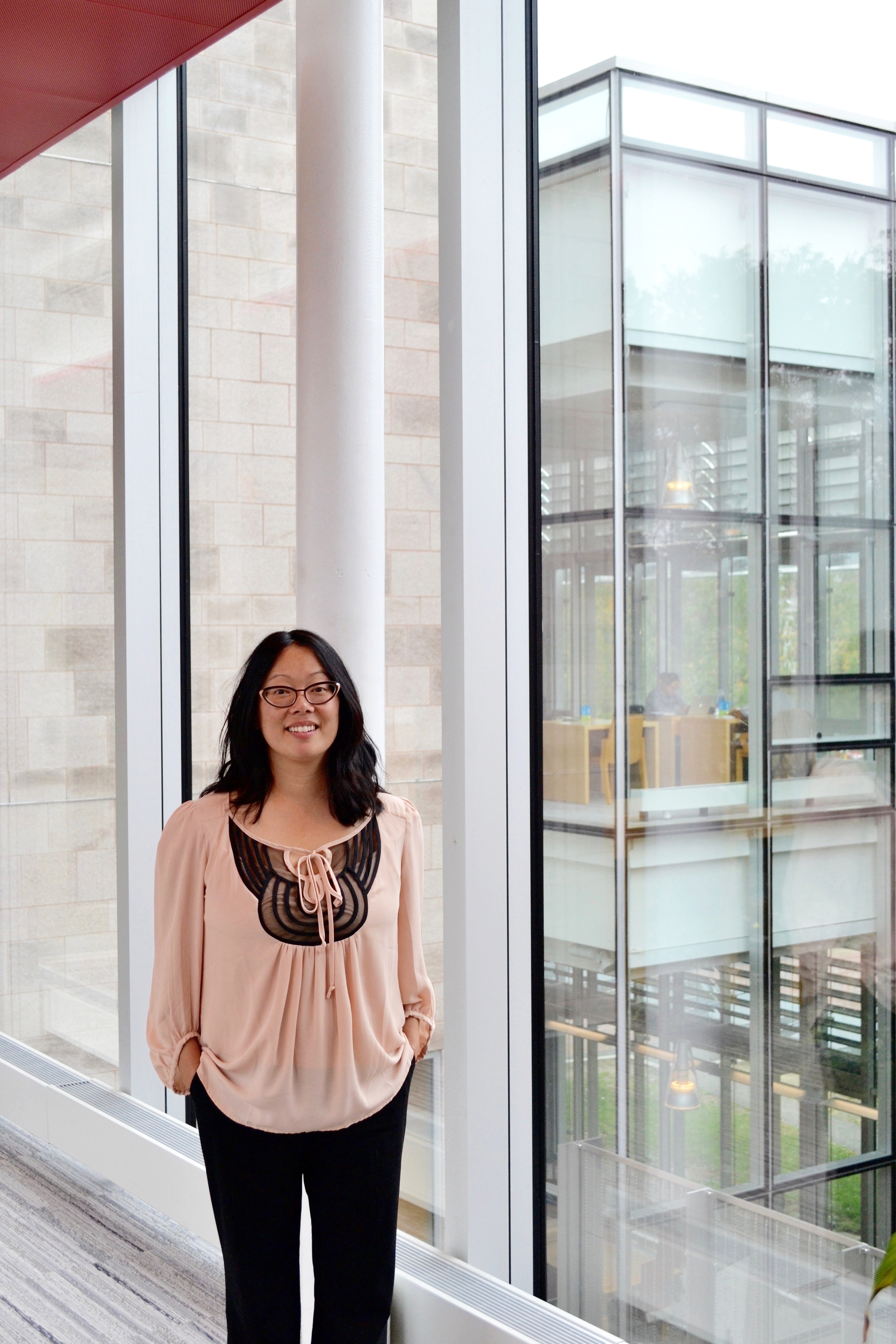

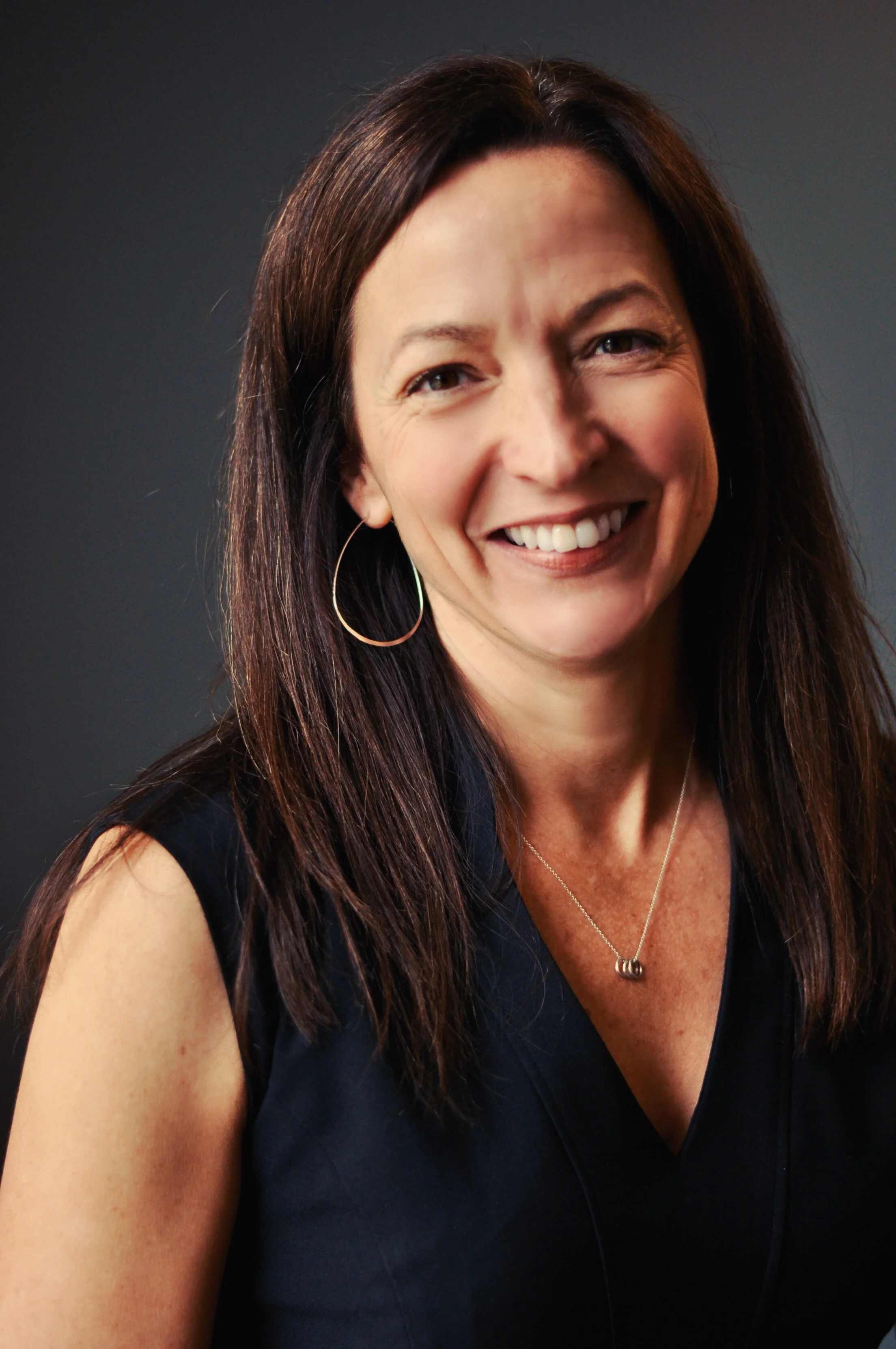

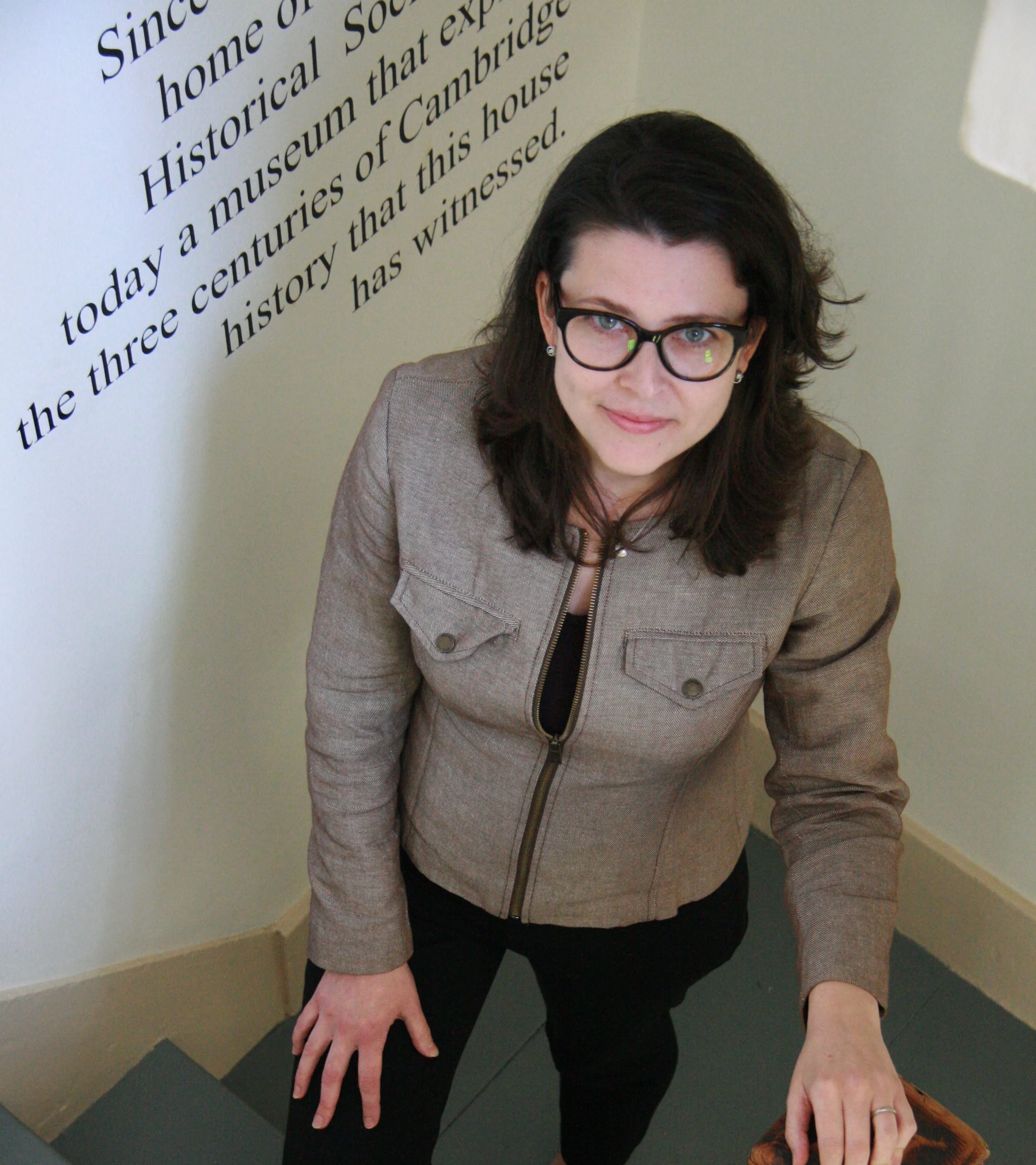
As we spent time scouring the city for GenX voices bringing us emerging ideas, Marieke Van Damme’s name kept popping up as a change maker. The irony is that she is the Director of a the Cambridge Historical Society, headquartered on fabled Brattle Street, but a few houses away from the poet Henry Longfellow’s house where our first President, George Washington, camped out during the revolution.
The Hooper-Lee-Nichols House, under her stewardship, where we met for this interview, is a place one might think would be draped in old Cambridge. For her, historic homes are only the launch pad. Van Damme is stirring things up by bringing this vintage society into modernity with annual themes that have sparked conversations around the housing crisis, the changing face and development in Harvard Square, and the emergence of Kendall as the poster child for change, all with a historical context of what it means for city-building and culture. She understands the power of competing for dollars and attention in a digital world, and we discuss new models of funding that will be required to give cities the pillars we have long understood create vibrancy and civil connection.


Ron Sullivan Jr. is important as our 100th because of his deep understanding of the US judicial system at this moment in time when the third branch of our government has moved from its quiet confidence and roared its voice. Add to this, Sullivan Jr.’s work around US incarceration reform and civil rights. I had to be patient to have a chance to sit down with Sullivan and I am grateful to to bring you this interview. His ideas around bias and the destruction of our black and brown men's lives fold into his thinking for how we move forward from the past, how we work to think collectively as “We” in our nation. He says that what has played out in the past few weeks demonstrates that our democracy was built to survive one person. He also cautions that this requires everyone to participate, to be open to conversation regardless of our baggage. We all have it, he says, and I agree. I had ruminated a long while on who would be our 100th and I could not think of a more timely and thoughtful voice.

Puett offers context on similar transitions 2000 years ago when these astonishing teachings emerged. Confucius, Laozi, and Mencius all wrote at the same time that Socrates, Plato and Aristotle scripted their ideas. In his book, The Path, Puett and his co-author Gross-Loh explain why this philosophical revolution came into play.
I sat down with Professor Puett to discuss how we can use these ancient Chinese teachings today and the danger of human patterns.


The relationship between the advancements in technology and architecture are really producing a very significant transformation in the types of buildings that we can imagine and therefore the spaces that we end up inhabiting.

One of my personal mantras is that you can't let fear lead or let fear dictate your actions.
I also truly, truly believe that the public events that a society puts on are a reflection of the society and if we don't put on a public event that's around books and ideas those will lose importance in our culture.

In philosophy every one of these moments is a little sliver that opens up a whole new world, and the world that it opens up now looks inexhaustible and delightful in an infinite number of ways.

I think we all would like to leave this place a better place than how we found it whether through our families, community or work.


When a kid’s primary "reading device" has both War and Peace on it and social networking and email and gaming and TV and video and the Internet, we lose... there's so much temptation and so much to distract us.
Most business people are transaction driven and not relationship driven. I am all about the relationships.
FOOD


I'd like to change the perception of how we see women who step out of their career to raise kids. I would like to reinforce that it's OK to go off the career path, it’s OK to say I’m not sure what’s next, and it’s OK to get back into the game in a different way.

It's not attractive at all. It's probably one of the least attractive places on campus. Our goal was to make it productive.

I draw inspiration from a lot of different sources. I always refer back to Jeffrey Sachs’ framework for sustainable development.
One in eight Americans is hungry, one in six is in poverty, and one in nine in Eastern Massachusetts needs our help.


Here is my fantasy: Vegetables will become medicine. Farmers will become as important and valued as doctors, and that's what I hold onto.

Food costs money. Real food costs money. People will say, 'Oh, my God, I went to the farmer's market and can you believe what they're charging for blah, blah, blah?' It's like, 'Hello?' Real, delicious hand-built, crafted, grown food costs money.
INDUSTRY


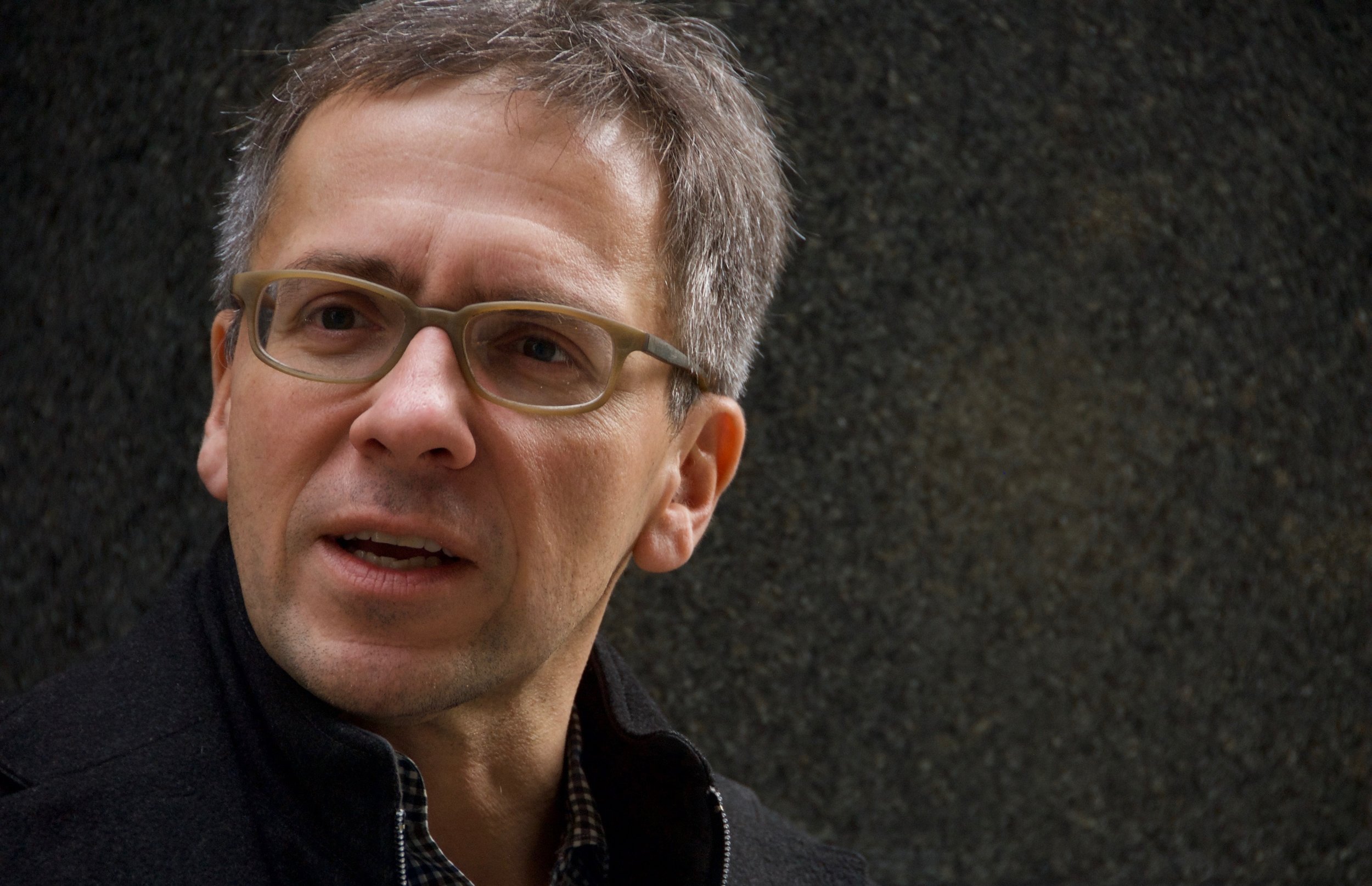
Ian Bremmer founded Eurasia Group in 1998 when he discovered that the private sector didn’t normally hire political scientists. He now has offices in New York City, Washington, D.C., Stamford, CT, London, Tokyo, São Paulo, and San Francisco, with more than 150 full-time employees consulting to world leaders and major corporations. But for Bremmer, who regularly appears on Charlie Rose and speaks to world leaders around the globe, these accomplishments seem ornamental, secondary to a mission built around fact-based discussions on what is happening geo-politically and how America, with all its world privilege, has choice on how to use its powers. His Twitter feed is as frank as they get.

What we're missing is really this ability to sell ourselves. We're really conservative and modest. We don't want to oversell ourselves. And the Swiss don't forgive you if you fail. That makes it hard to take a risk.
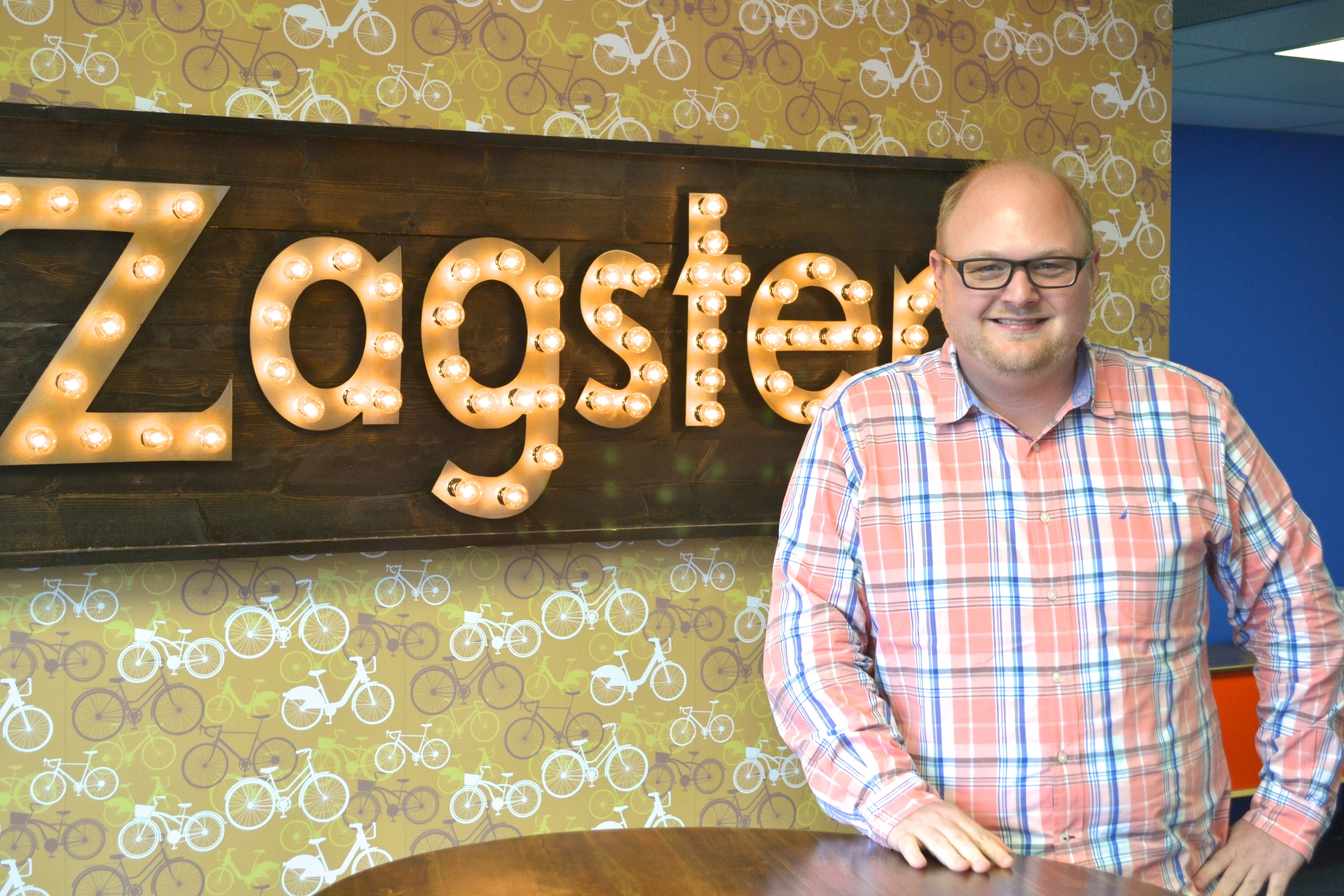
Throughout the world, and specifically in the US, we've really seen a shift to making urban environments more dense. Bicycling is really the fastest and largest growing form of transportation in the US.
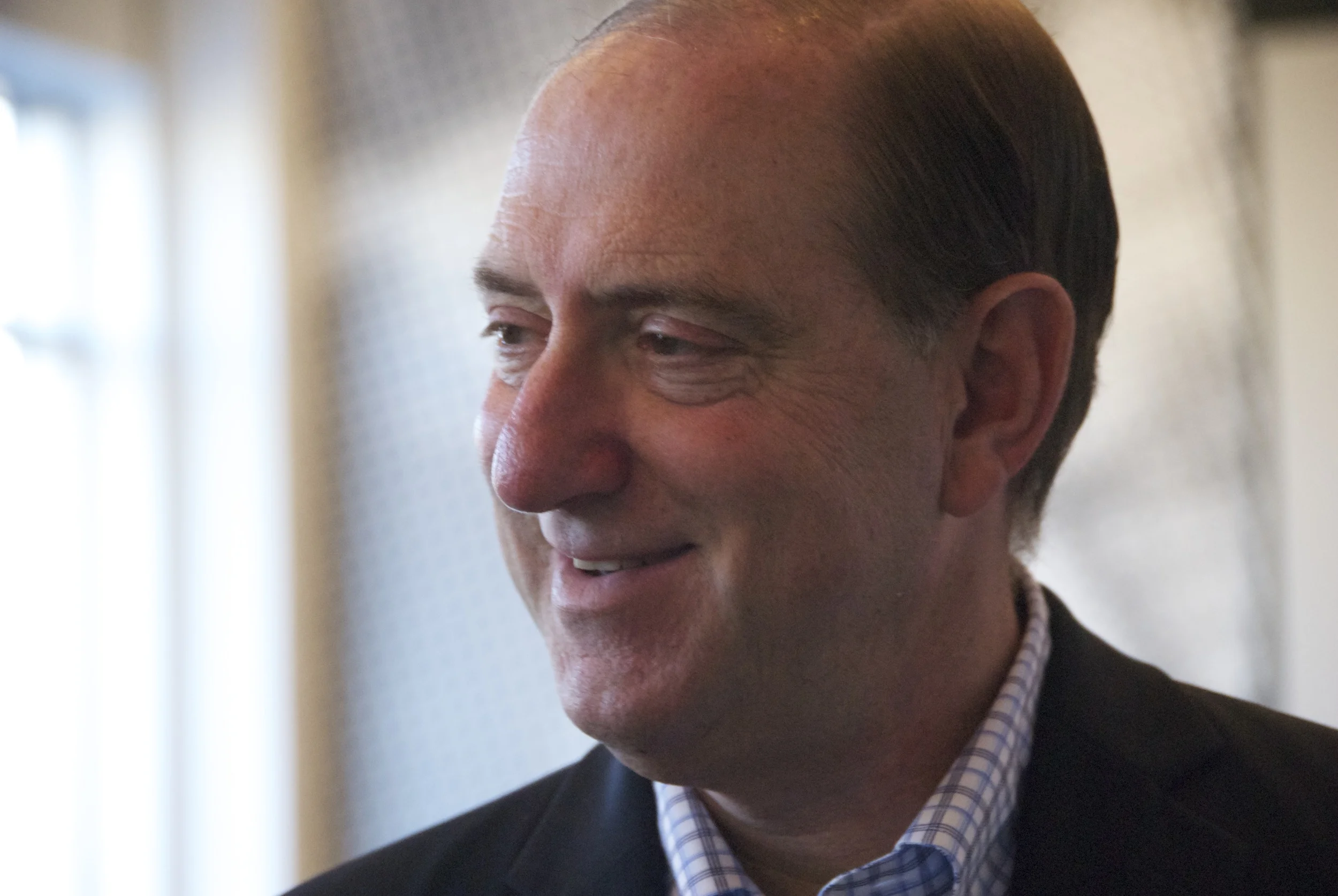
In Boston, there are probably three major challenges that we're all trying to look at: public transportation, public education, and affordable housing.
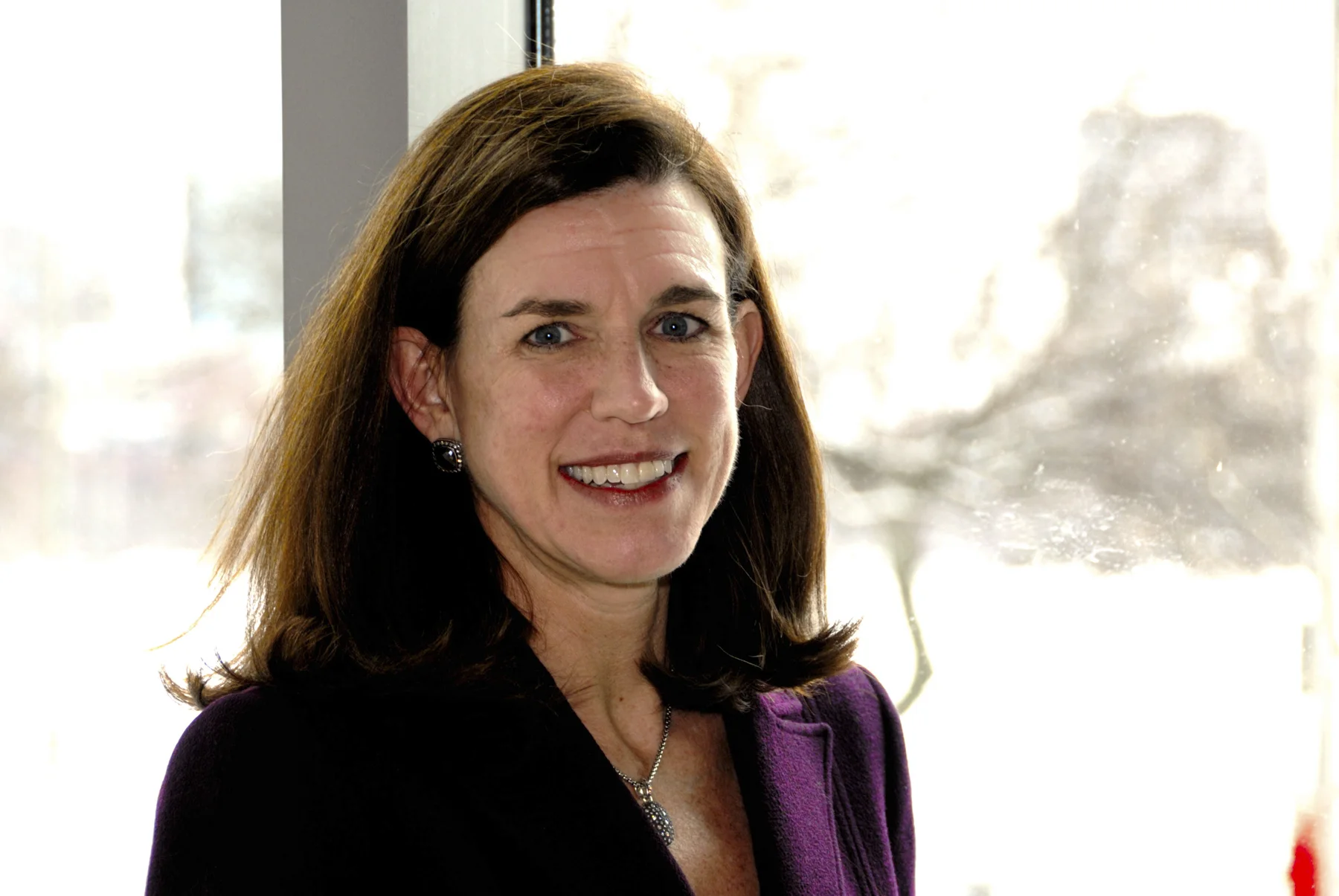
One role is to try to ensure that if those institutions get into trouble, that they fail on their own, without bringing down the rest of the country.

Anyone who tells you these days they know the impact that online learning is going to have on the future of higher education is blowing smoke.

Health care is a market. It's not a well-functioning market, but Americans should understand that they're paying the bill and start demanding things like price transparency, rational pricing, value for their money, convenience, and getting a doctors appointment outside of 10-3. How about staying open until 7:00? How about publishing your price list?

We would ask, 'what can we do to be different from everybody else?' and that's what led us to concentrate on the whole idea of innovation as a process and the whole idea of fundamental research and development in glass as critical to the future success of the company.
MEDIA

For the past seven years, independent documentary filmmaker Elizabeth O'Brien Gardner has been filming a young evangelical church planter, David, and his wife, Betsy, in Boston – a city Gardner says the evangelical movement calls ‘The Preacher’s Graveyard.’ Her 72-minute documentary, The Frozen Chosen, follows the journey of David and Betsy as they build a congregation of fellow millennials looking for salvation. We meet a young ballet dancer who struggles with his homosexuality and looks to the church for guidance, another young man who is a seeker of sorts, baptized by David and born-again in a dramatic scene of speaking in tongues and what looks like physical possession, and a cast of other millennials in search of community. Many of the youth live around the Fenway and Brighton areas and meet regularly. In a time when fundamentalist religion dominates our news cycle and the country seems more divided than ever, Gardner’s documentary takes a neutral look at how evangelicals are growing their following while asking us to consider how this differs or is similar to the dogma of other movements or building of dreams.

In the course of a morning, he talks about "The Gronk" being a party animal, how to tell your boyfriend to get a life, solves your concern over the office party drama and gets frank about how you deal with a spouse with an opioid addiction. All of this before I've had my second cup of caffeine. For over thirty years, Matt Siegel has been making Massachusetts residents laugh their way into their days. Sometimes criticized for being too harsh or too fresh, he tells us, Matty in the Morning reaches all people in a way our current mass media has not: Respect without politics.

Julian Fellowes created the world of Downton Abbey and twenty major characters and their storylines. He was ready to tell this story. He knew the world. He loved the world and that's when you can have magic: when you have a creative person who finds their subject. Listen here

Yes, investigative journalism is important and yes, narrative journalism is important, but people don't seem to put the money where their mouth is. Who's going to hold institutions accountable?


I'm very interested in the theme of how well we really know ourselves and what we may be capable of when pushed into an unimaginable, extreme situation.
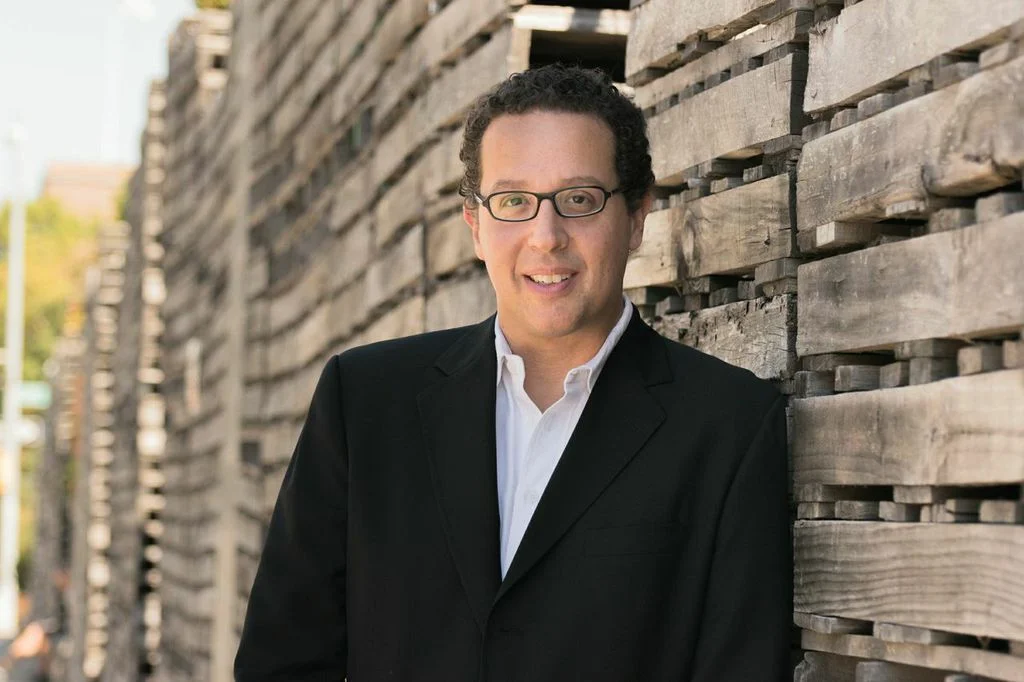
It’s a very difficult thing to acknowledge our own privilege. It’s something that as parents we need to do before we can begin to explain it to our kids.

I try to take the extreme expressions of our time so we can see it and then think about it and discuss it. I think there's a value in having that kind of consciousness about the lives that we're living and the choices that we're making.
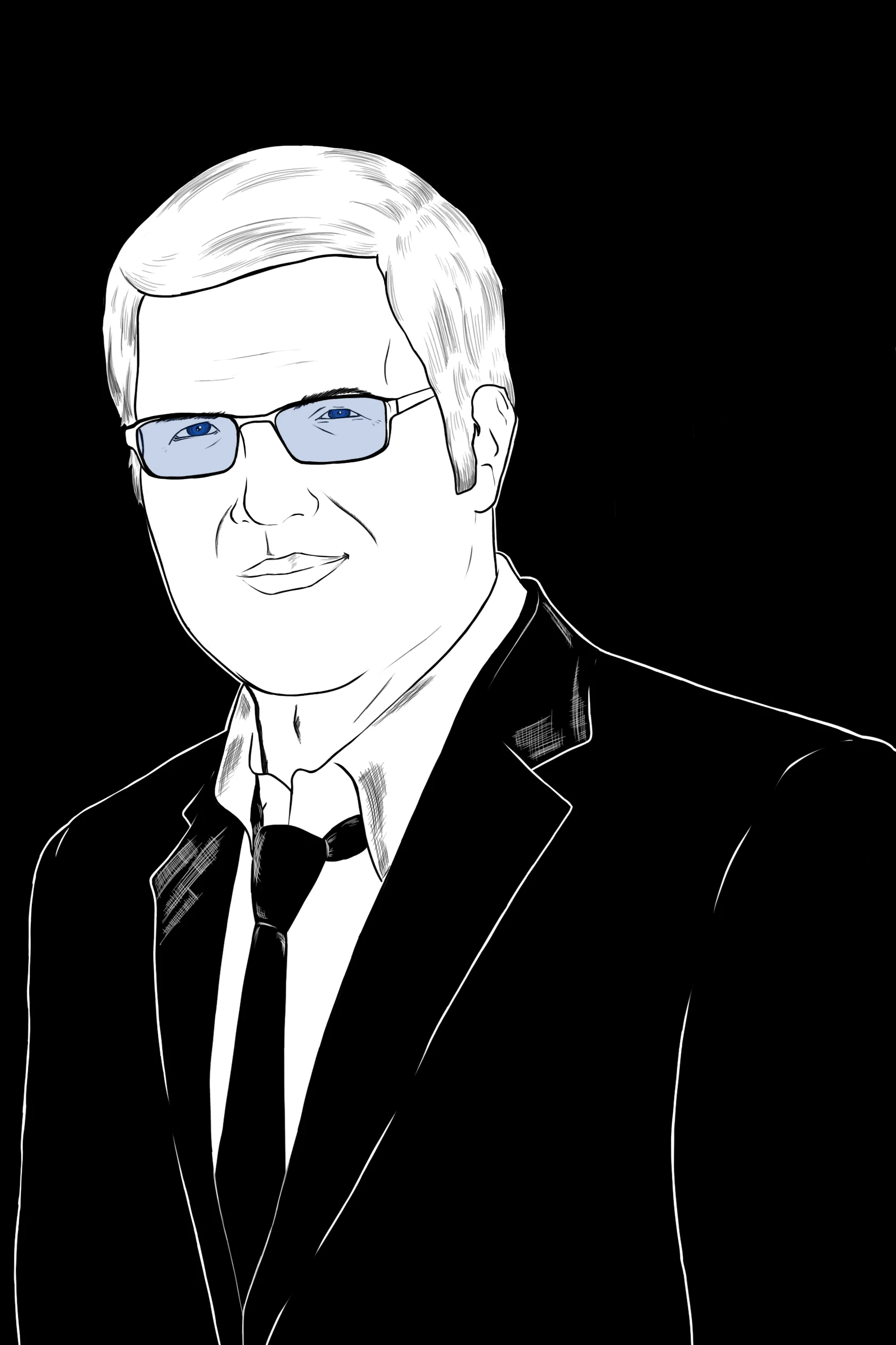
Traditional cultural authorities are fading….At the same time we can’t fetishize technology and say ‘to hell with our institutions’ without suffering terrible consequences…

Use your voice. I've wrecked a few dinner parties in my life by speaking out. You simply say, 'it's not okay with me that they treat their women like that.'

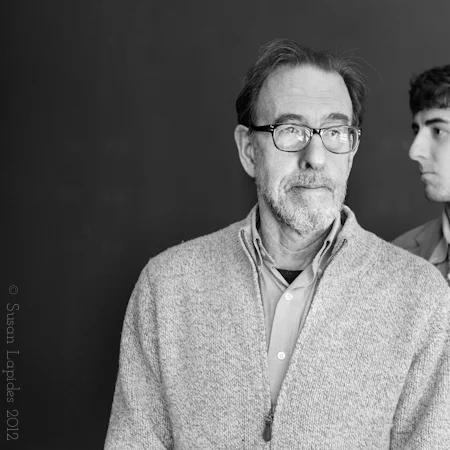
Ross McElwee, American filmmaker and Harvard Professor who teaches documentary filmmaking at the Carpenter Center directs his new film Photographic Memory with Producer Marie-Emmanuelle Hartness. He has made nine feature-length documentaries as well as many short films.

I found myself longing for a time where tribal leaders and elders passed on wisdom but with the democracy of free speech and mobility for all. I also live in a place where education is revered at almost a devout level. Why shouldn't everyone have access to these same ideas I hear about?
SCIENCE


Ian Bremmer founded Eurasia Group in 1998 when he discovered that the private sector didn’t normally hire political scientists. He now has offices in New York City, Washington, D.C., Stamford, CT, London, Tokyo, São Paulo, and San Francisco, with more than 150 full-time employees consulting to world leaders and major corporations. But for Bremmer, who regularly appears on Charlie Rose and speaks to world leaders around the globe, these accomplishments seem ornamental, secondary to a mission built around fact-based discussions on what is happening geo-politically and how America, with all its world privilege, has choice on how to use its powers. His Twitter feed is as frank as they get.

Entrepreneurs are often said to be soothsayers and in 2002, David Ting founded Imprivata, a healthcare IT security company focused on keeping medical files private and locked online, allowing doctor’s offices and hospital physicians to more easily sign in to secure networks, whether text messaging platforms, electronic medical records, or prescribing databases. In June 2014, a decade later, Ting took his Lexington-based startup public, raising $66.3 million through its IPO. This July, Imprivata announced they were being taken private again, having been acquired by private equity firm Thoma Bravo in a deal valued at about $544 million.

On Drones: I think that we're all going to take for granted that things are flying around looking at things all the time.
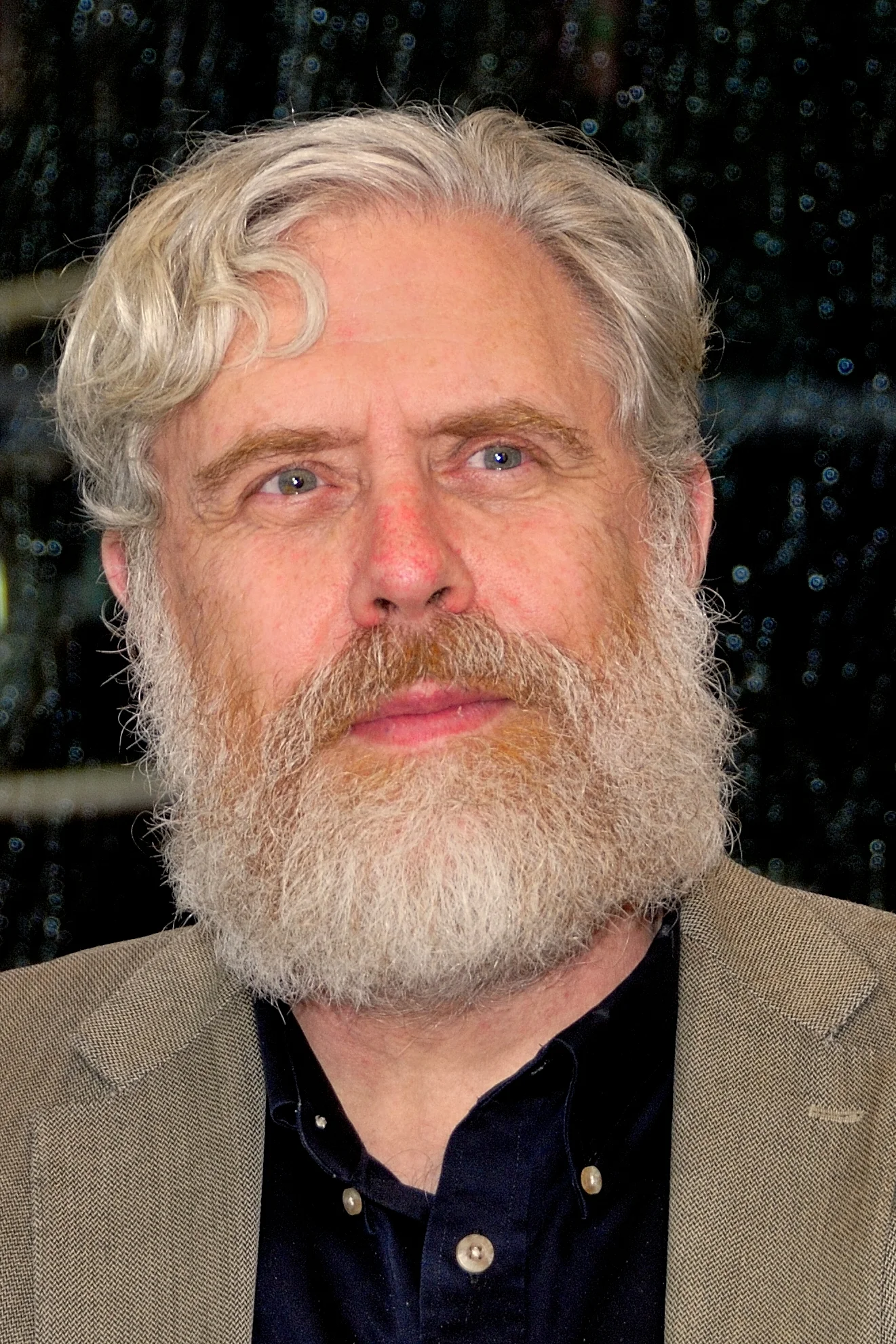
Eventually, Galileo was completely accepted by the same religion that rejected him. And in science we often reject things until we can prove they are right. Until then, there's more heat than light.
We're in the process of getting our second generation of interferometer detectors up and running and it is a difficult process. It's not like buying an iPhone 6 and turning it on and it works.

The fundamental problem is that we're trying to translate between three worlds: the world of information: bits; the world of knowledge: neurons and cells; and the world of visualization: pixels. Until we all are cyborgs and can plug in this data and automatically get what we need, we will need pixels.

At the end of the day what we do that's different from other people is that we can see more.

I probably worry about naturally emerging infectious diseases more than I worry about engineered threats. Mostly, I worry about how are we going to get the medicine that we need when we need it.

In this culture we are conditioned to always be ‘doing;’ that actually restricts our flexibility and power. When you are acting in order to suppress a feeling, you're not really thinking about what you're doing anymore.

You have to step back with cancer and think through 'what are the fundamental tasks that must be accomplished by a cell to become cancerous?'
It’s so easy to make a house be zero net energy, to the point you can heat your house with a hair dryer.
SOCIAL LEADERSHIP

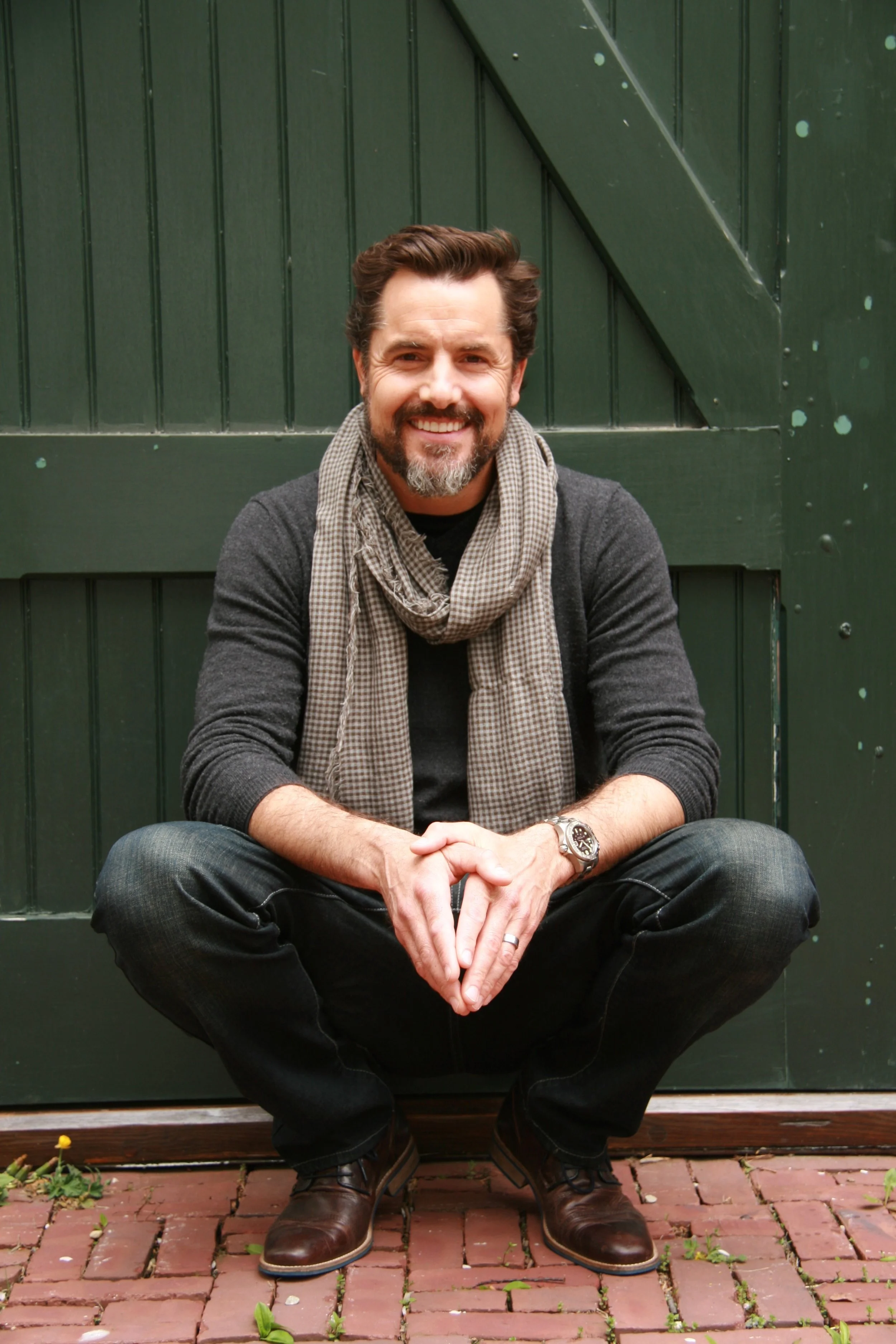
Two years ago, Dean Bragonier founded NoticeAbility in an effort to change curriculum for dyslexic kids before his own son hits middle school. Why? Dean and his wife Sally Taylor are both dyslexic and they understand the challenges of learning in middle school.

The Education system is not working today. We all know that and public opinion has to shift. What we should do is allow passionate entrepreneurs to create new things that will work.

It’s true inclusion – which doesn't only disrupt the system for our students but disrupts the system for future generations.

He needed opportunity and access. He didn't need motivation. He didn't need persistence. He didn't need grit. He came with those things.

The challenge for the food movement: how do you build a system in which farms can thrive and low-income consumers can get what they need? That's the nut that nobody's been able to crack but we're working on it.
I would like it to be accepted that each of us knows but a sliver of the larger nature of reality and that by ourselves we can never really understand the greater whole.

There is a real opportunity with hydro, if developed carefully, solar, off-shore wind and geothermal.

Cambridge represents possibilities. It is a place of ideas, of imagination, and creativity.


Legally, I couldn’t touch them, but ethically I had to, even if it put my life in jeopardy. In medicine there is nothing called ethnicity.
More than fifty percent of our kids in confinement have been in the child welfare system. These kids go from being perceived by society as a victim to being a perpetrator in an instant.
TECH
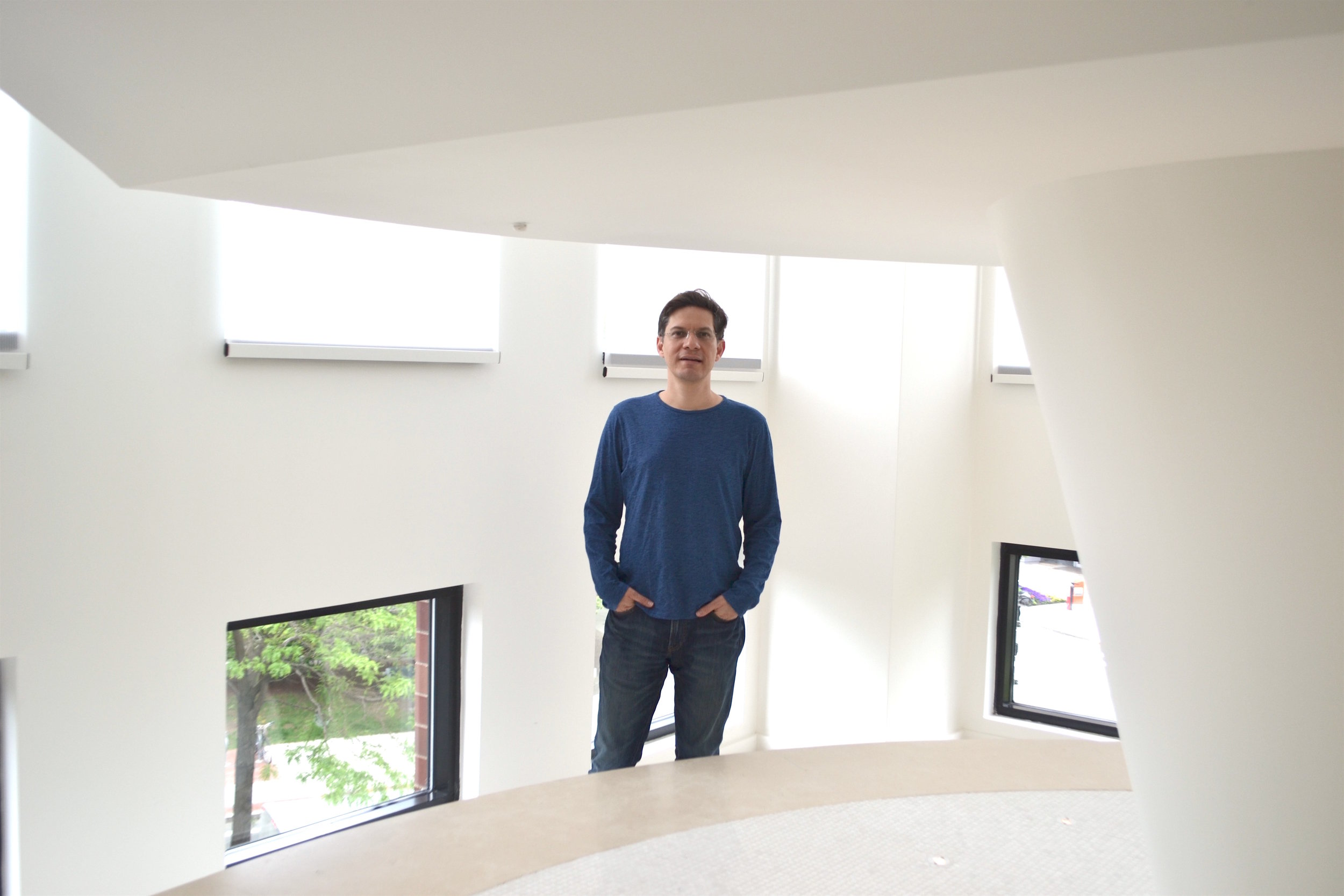

Entrepreneurs are often said to be soothsayers and in 2002, David Ting founded Imprivata, a healthcare IT security company focused on keeping medical files private and locked online, allowing doctor’s offices and hospital physicians to more easily sign in to secure networks, whether text messaging platforms, electronic medical records, or prescribing databases. In June 2014, a decade later, Ting took his Lexington-based startup public, raising $66.3 million through its IPO. This July, Imprivata announced they were being taken private again, having been acquired by private equity firm Thoma Bravo in a deal valued at about $544 million.
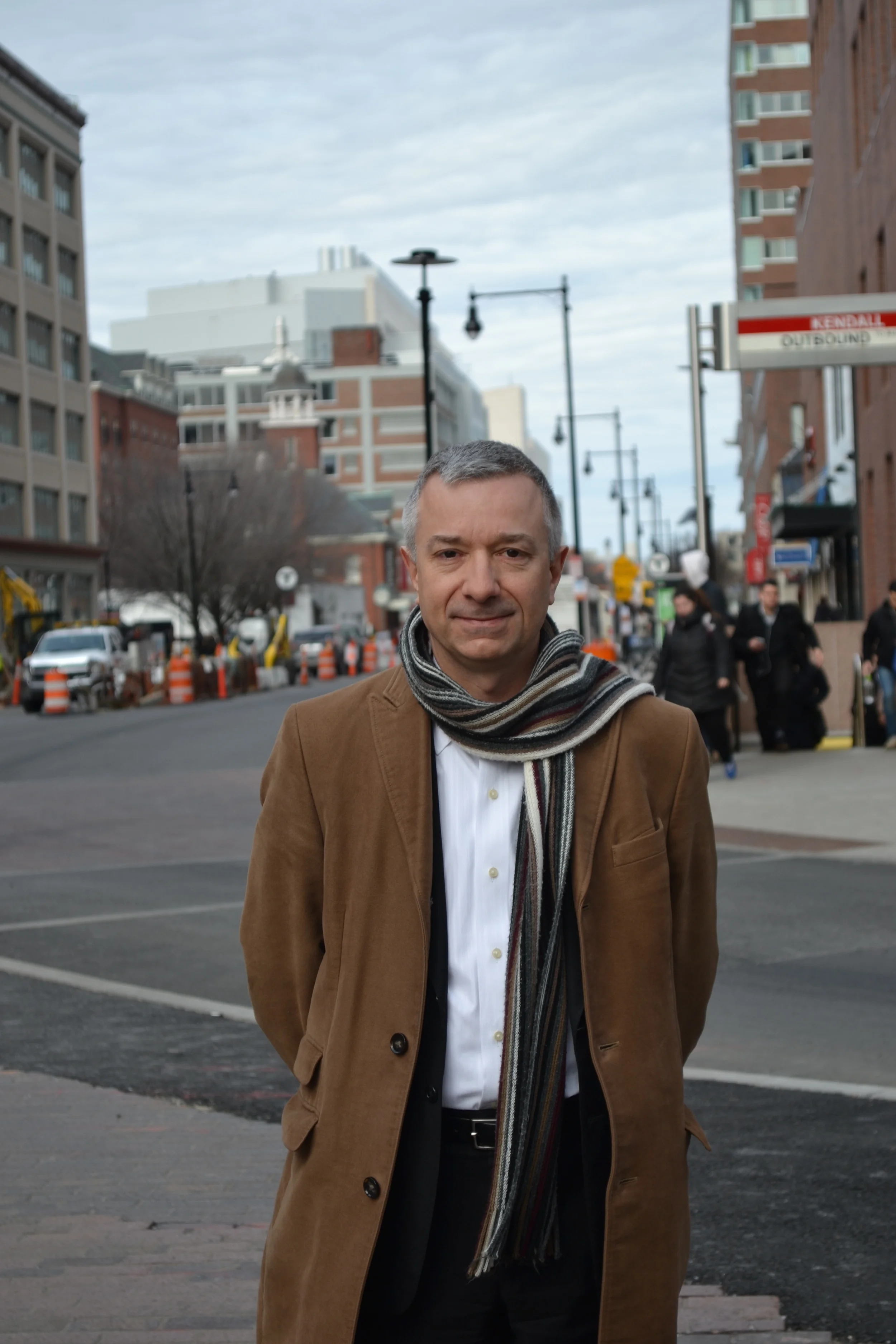
It's the most concentrated place I know of in terms of technology, even compared to Silicon Valley, which is 30 miles straight. Here we're talking about one square mile, at the most.

I’m at the phase where I’m working on FOLD outside of an institution. I have to find a lot of the strength and energy to push it forward – finding that internal strength to pursue something even if you don’t have any external parties telling you every day that “it’s a great idea, it’s a great thing to do” – you have to find that within yourself.

Rounding Cape Horn you’re in a very dramatic place that's historic and you think about the sailors that have been there.

It's in the integration of the innocent, naive child and the thinking adult that the machines happen. It’s in that space. Listen here
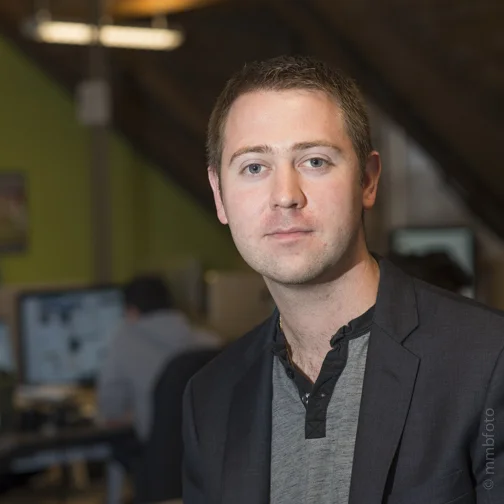
The problem in Boston right now is that I'm starting to feel like companies that should get funded, aren't getting funded and they aren't getting funded for stupid reasons. It doesn't need to be this way. Boston is the second most vibrant venture community in the world.
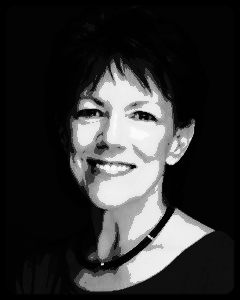
In this digital age, one of the important things to a voice talent is anonymity. It took me a really long time to decide to reveal myself as Siri.
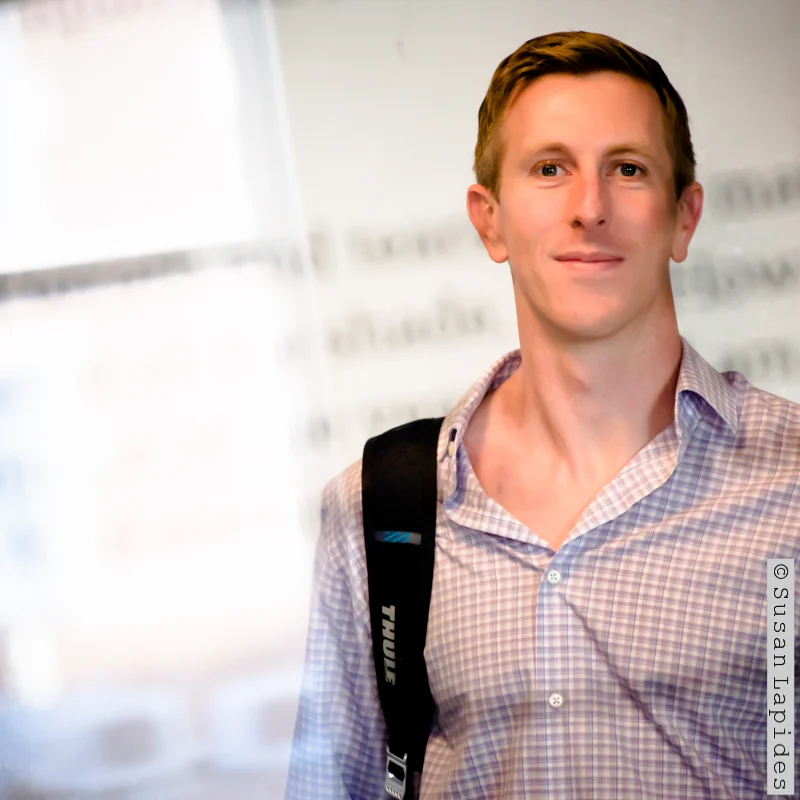

It's helpful if the person who originates the idea is opinionated. Trust your instincts.

You have to be a bit naïve sometimes to try new things and take risks. We are naïve optimists who believe that we can improve the world and have a positive impact through technology.
I love the puzzle of it. I love that it's unending, that there is no solution but there is a solution. It can be mathematical in a way. It's a puzzle and a game.